Best Soccer Cleats for Youth Athletes
Proper soccer cleats support balance, protect growing joints, and let children move naturally on grass, turf, or indoor courts. A mismatch in size or sole can lead to blisters, twisted ankles, or missed kicks, especially as feet grow up to two sizes in a single season. Most youth cleats weigh between five and seven ounces, giving enough structure without slowing a sprint. Synthetic uppers dry faster after muddy practices, while leather models tend to last longer but need more care. Molded studs are standard for league play under age twelve, as metal is often banned and can cause injury if allowed.
What makes a cleat right for youth
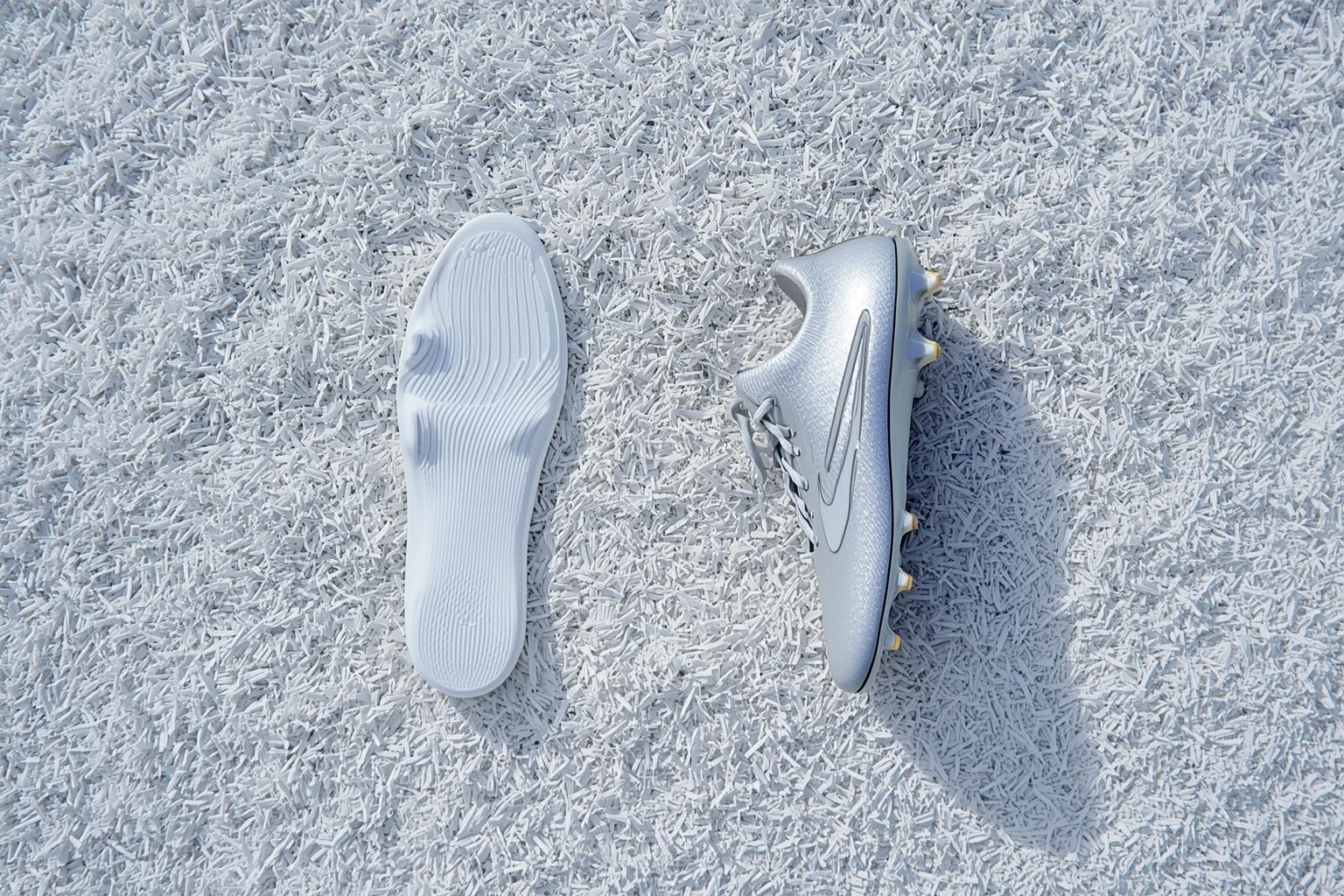
Youth athletes need cleats that fit snugly but allow room for growth, giving both comfort and proper foot development. Loose or tight shoes can cause blisters and restrict movement. Supportive uppers and cushioned insoles help prevent early injuries as bones and joints mature.
Adult cleats often feature stiffer materials and narrower shapes, which can strain developing arches and toes. Generic sports shoes lack the traction and lateral stability soccer demands, increasing the risk of slips or rolled ankles during fast turns. Young players often suffer from heel pain or bruising if the footwear does not match their activity or foot shape.
A cleat designed for youth balances flexibility and structure, reducing strain as skills and bodies develop. Choosing the wrong shoe can set back progress or cause lasting foot problems.
How different surfaces change your choice

Field conditions dictate traction, injury risk, and ball control for young players. A mismatch between cleat and surface leads to slipping, sore feet, or even twisted ankles.
| Surface Type | Cleat Stud Pattern | Traction Level | Durability Impact | Common Problem |
|---|---|---|---|---|
| Natural grass (dry) | Conical or bladed studs, 12-14 per shoe | High | Moderate wear | Studs clog with mud on wet days |
| Natural grass (wet) | Longer, fewer studs (6-8) | Very high | Faster wear | Cleats dig in too deep, causing fatigue |
| Artificial turf (modern) | Dozens of short rubber nubs | Medium | High | Standard studs fail to grip, leading to falls |
| Older turf (thin carpet style) | Flat, dimpled rubber sole | Low | Very high | Studs cannot grip; only turf shoes work |
| Indoor court | Smooth gum rubber, no studs | Low | Maximum | Studs damage floor, slip hazard |
Using outdoor cleats on turf or court floors leads to poor stability and even facility bans. Matching stud length and pattern to field conditions reduces injuries and extends shoe life.
Which features matter most for kids
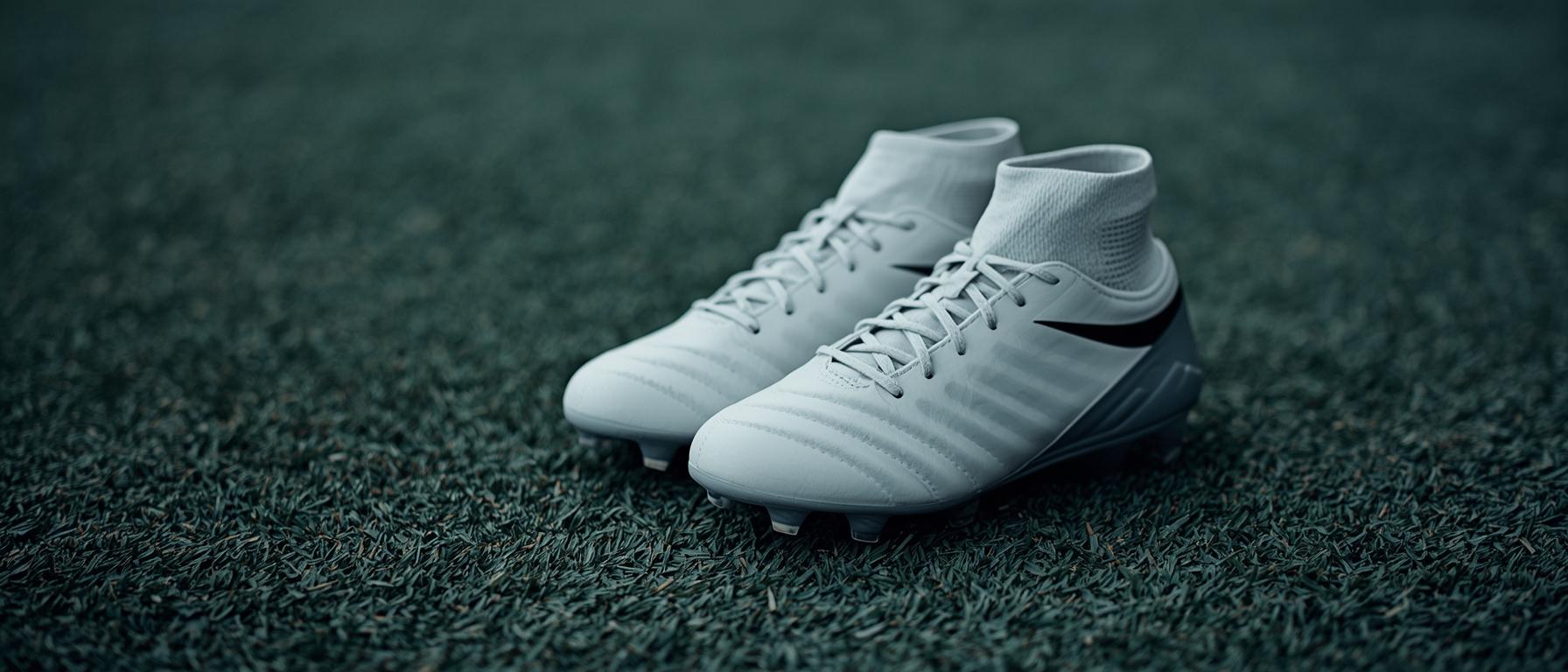
Blisters and foot pain often come from cleats that miss key features like proper materials or ankle support. Lightweight designs help with speed, while the right closure style prevents shoes from coming loose during a match. Durability and fit make the difference between a shoe that lasts a season and one that causes constant discomfort.
Choosing between laces and Velcro
Young players often struggle with re-tying laces during matches. Quick adjustments keep them on the field instead of sidelined by loose shoes.
Velcro straps allow for fast shoe changes at halftime and rarely loosen during play. Younger children, especially under age seven, often lack the hand strength or coordination to manage traditional laces without adult help.
Laced cleats give a more customized fit, especially for narrow feet. The tension can be adjusted in small increments, which helps prevent blisters or slippage in older kids who play longer games. However, laces can become untied mid-game, causing tripping or brief stoppages, and wet conditions make knots harder to manage.
Laces offer a secure, adjustable fit for older youth but can be a liability for the youngest players. For first-time athletes under seven, Velcro systems deliver fewer interruptions and more time on the pitch.
Finding the right fit for growing feet
Athletic stores often group youth cleats by age range, but growth spurts can make those labels misleading. Children’s feet may change as much as half a size in a single season, causing a shoe that fit in spring to pinch by fall. Soccer cleats that are too tight can lead to blisters, black toenails, and even short-term limping, while shoes that are too loose increase the risk of tripping or losing traction on the field.
A thumb’s width of space between the longest toe and the tip of the shoe strikes a balance between comfort and control, giving room for growth without sacrificing foot stability.
Sizing up too far in anticipation of growth often leads to sliding inside the shoe, which undermines ball control and increases the risk of ankle rolls. Trying on cleats while wearing game socks, preferably at the end of the day when feet are slightly swollen, gives a truer sense of fit than morning measurements or thin dress socks.
Choosing cleats with the right mix of material quality, weight, closure, and ankle support reduces injury risk and boosts comfort. Paying attention to these features often leads to better performance and fewer complaints on the field.